Synthwave: The 1980s-Inspired Electronic Music Genre
Synthwave is an electronic music genre deeply rooted in nostalgia for the 1980s, drawing inspiration from the decade’s soundtracks, aesthetics, and pop culture. Combining retro-futuristic visuals with analog-inspired synth sounds, synthwave has evolved into a globally recognized genre with diverse substyles and a strong cultural presence.
Origins of Synthwave
Synthwave emerged online around 2007–2009, primarily through forums, blogs, and early social platforms like MySpace and YouTube. Early creators looked to 1980s film soundtracks by composers such as John Carpenter, Vangelis, Tangerine Dream, and Brad Fiedel, while also drawing from Italo-disco, early electro, new wave, and synth-pop. These influences shaped the foundational sound of synthwave: melodic synthesizers, driving basslines, and cinematic textures.
Aesthetic and Themes
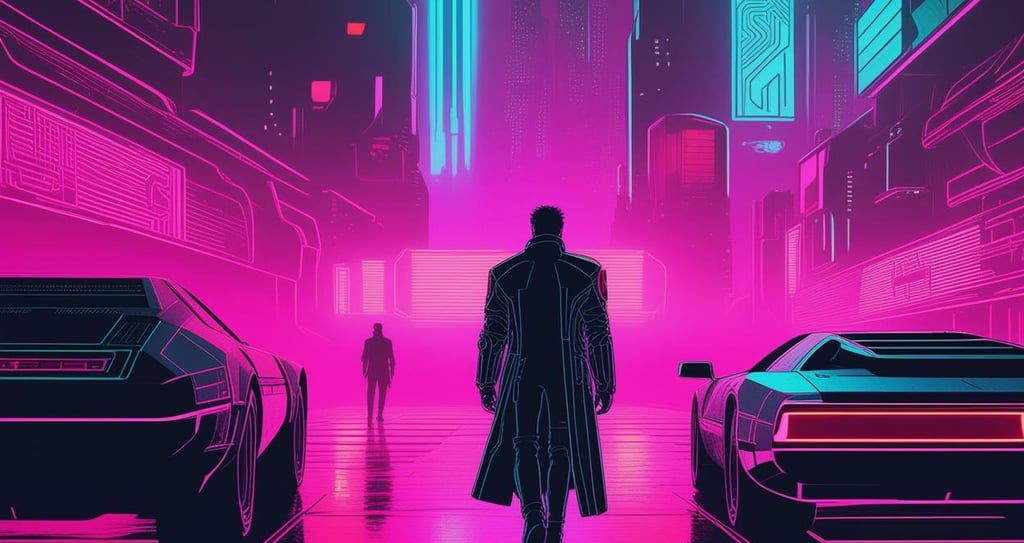
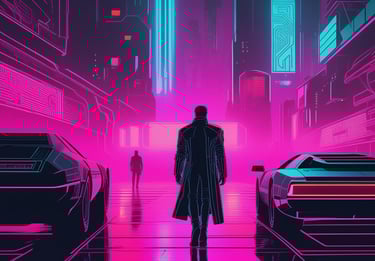
Synthwave is defined by its retro-futuristic visuals: neon lights, gridlines, sunsets, sports cars, and VHS-style imagery. The genre often incorporates cyberpunk, sci-fi, and dystopian themes, blending nostalgia with imagined futures as envisioned from the 1980s. Album art, film imagery, and visual storytelling are integral to synthwave culture, creating a strong connection between music and visual aesthetics.
Key Early Artists
Several artists helped define and popularize the genre:
Kavinsky – OutRun (2010), known for cinematic, high-energy tracks.
College – melodic and nostalgic synth textures.
Power Glove – cinematic and video game-inspired synth compositions.
Com Truise – retro-futuristic, mid-tempo grooves.
Perturbator – darker, industrial, and horror-influenced edge.
Mitch Murder – dreamy, melodic, and nostalgia-driven synth sounds.
Subgenres of Synthwave
Synthwave has diversified into several substyles:
Outrun: fast, cinematic, driving tracks (e.g., Kavinsky, Lazerhawk).
Darksynth: heavier, industrial, horror-influenced sounds (e.g., Perturbator, Carpenter Brut).
Dreamwave: softer, melodic, and nostalgic vibes (e.g., FM-84, Timecop1983).
Chillwave overlap: lo-fi, hazy textures influencing early synthwave sounds.
Mainstream Breakthrough
The genre gained global attention during the 2010s, particularly after the Drive (2011) soundtrack, which brought cinematic synthwave to broader audiences. Synthwave has since expanded into video games (e.g., Hotline Miami), commercials, and online streaming culture, with YouTube and Spotify playlists fueling rapid growth. Modern production techniques and live performances have further evolved the genre, influencing other music styles including pop, hip-hop, metal, and film scoring.
Global Scene and Legacy
Today, synthwave thrives as a hybrid underground-to-mainstream genre, maintaining its nostalgic roots while embracing modern electronic music innovation. Its combination of 1980s-inspired sounds, retro-futuristic aesthetics, and cinematic atmosphere has solidified its place in contemporary music culture, inspiring new artists worldwide and continuing to captivate fans of both retro and modern electronic music.
Synthwave

LEARN MORE
Synthwave includes several distinct subgenres that reflect different moods, aesthetics, and influences from 1980s culture. Outrun focuses on fast tempos, driving basslines, and a cinematic, neon-soaked feel inspired by retro futurism and action films. Darkwave leans toward a heavier, more atmospheric sound with slower rhythms and a melancholic or dystopian tone. Dreamwave emphasizes lush pads, smooth melodies, and nostalgic emotion, often evoking romance and memory. Other subgenres like vaporwave and chillwave intersect with synthwave by slowing tempos and using lo-fi textures, creating a more introspective and ambient experience.